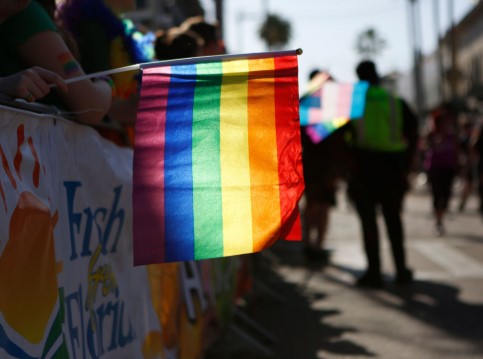
Allyship as an Action, Not a Label
In the modern social landscape of 2026, the word “ally” is frequently used, but its true meaning is often misunderstood. Allyship is not a destination you reach or a badge you wear; it is an ongoing, lifelong process of building relationships based on trust, consistency, and accountability with marginalized individuals and groups. Understanding how to be an effective LGBTQ+ ally requires a move away from performative support toward active, daily engagement. It is about using one’s privilege to dismantle systemic barriers and creating spaces where queer people don’t just exist, but truly belong.
Being an ally means more than just having “no problem” with LGBTQ+ people. It involves a commitment to unlearning personal biases, educating oneself on the history of the movement, and standing in solidarity even when it is uncomfortable. This comprehensive guide serves as a roadmap for those looking to deepen their support. We explore the nuances of language, the importance of intersectionality, and how queer community stories can serve as powerful tools for empathy and change. Whether you are a friend, a family member, or a colleague, your journey toward becoming a better ally starts with the willingness to listen and act.
The Core Foundation: Listening and Learning
The first and most vital step in how to be an effective LGBTQ+ ally is to prioritize listening over speaking. For those outside the community, it is impossible to fully understand the lived experience of queer individuals. Therefore, an ally’s primary role is to create a platform for queer voices rather than speaking for them. This means seeking out books, documentaries, and podcasts created by LGBTQ+ individuals to understand the diverse spectrum of identity and struggle.
Education is a personal responsibility. It is not the job of your LGBTQ+ friends or colleagues to “teach” you everything about their identity. In 2026, the wealth of information available online is vast. By taking the initiative to learn about queer history—from the history of the original pride flag to the current workplace equality legislation—you demonstrate a genuine commitment that goes beyond surface-level support. When you do ask questions, do so with humility and a genuine desire to understand, rather than out of voyeuristic curiosity.
Language Matters: Pronouns and Inclusive Terminology
Language is one of the most powerful tools in an ally’s arsenal. Using someone’s correct name and pronouns is not a matter of “political correctness”; it is a matter of basic human respect and dignity. In 2026, the normalization of sharing pronouns (he/him, she/her, they/them, etc.) has become a standard for inclusive environments. As an ally, you can lead the way by including your own pronouns in your email signature or meeting introductions, which creates a safer space for others to do the same.
Avoiding Assumptions and Gendered Language
To master how to be an effective LGBTQ+ ally, you must train yourself to stop making assumptions about people’s partners, gender identities, or family structures. Instead of asking if a man has a “wife,” use the gender-neutral term “partner.” Instead of addressing a group as “guys” or “ladies and gentlemen,” use inclusive terms like “everyone,” “folks,” or “team.” These small, daily shifts in language signal to the LGBTQ+ people around you that you are an aware and supportive presence.
Active Intervention: Speaking Up Against Discrimination
True allyship is tested when queer people are not in the room. It is easy to be supportive at a Pride parade, but it is much harder—and more necessary—to call out a homophobic joke in a locker room or challenge a transphobic comment at a family dinner. Silence in the face of discrimination is often interpreted as complicity. Effective LGBTQ+ allyship means being an “upstander” rather than a bystander.
How to Confront Biased Behavior:
- Direct Approach: “That comment was offensive and I don’t find it funny. Let’s not use that kind of language here.”
- Educational Approach: “I’m not sure if you’re aware, but that term is actually considered a slur. Here’s why it’s harmful…”
- Distraction Approach: If you feel a situation is escalating and potentially unsafe for a queer person, simply stepping in to change the subject or physically standing with the person can provide vital support.
Remember, the goal is not to be a “savior,” but to disrupt the comfort of those who perpetuate harm. By taking the social risk of speaking up, you shift the burden of defense away from the marginalized person.
Allyship in the Professional Sphere
As we’ve explored in our deep dives on workplace equality, the corporate world is a primary arena for advocacy. An effective ally in the workplace actively pushes for inclusive policies, such as gender-neutral restrooms, comprehensive healthcare that includes trans-affirming care, and equitable parental leave for all family structures. They also act as mentors to queer colleagues, ensuring that talented LGBTQ+ professionals are given the same opportunities for advancement as their peers.
Understanding Intersectionality: The Layers of Identity
You cannot know how to be an effective LGBTQ+ ally without understanding intersectionality—a term coined by Kimberlé Crenshaw. It refers to how various forms of social stratification (race, class, gender, disability, sexual orientation) overlap and create unique experiences of discrimination. A white cisgender gay man has a very different experience of the world than a Black transgender woman. Effective allyship must be intersectional. This means recognizing that the fight for queer rights is inextricably linked to the fight against racism, ableism, and economic injustice. Supporting the most marginalized members of the community is the only way to ensure equality for all.
Supporting Queer Youth and Families
For parents and family members, allyship starts at home. Research consistently shows that LGBTQ+ youth with supportive families have significantly lower rates of depression and suicide. Being an ally to a queer child means providing unconditional love, protecting their privacy, and advocating for them in school systems. It also means educating the extended family and setting firm boundaries with unsupportive relatives. Your home should be the ultimate “safe harbor.”
The Importance of Consistency and Accountability
Mistakes are an inevitable part of the process. You might use the wrong pronoun or make an insensitive comment. When this happens, the most effective LGBTQ+ allyship involves a sincere apology, a commitment to doing better, and a lack of defensiveness. Do not make the apology about your own feelings or your “good intentions.” Instead, focus on the impact your words or actions had on the other person. Accountability is what turns a well-meaning person into a trusted ally.
Conclusion: A Lifelong Commitment to Change
As we look toward the future, the role of the ally will only become more critical. In a world where rights can be fragile and progress can be met with backlash, the collective voice of allies provides a necessary shield and a powerful amplifier for justice. How to be an effective LGBTQ+ ally is a question with an evolving answer, but it always returns to the same core values: empathy, courage, and action.
At Gay Telegraph, we believe that allyship is a testament to the best of the human spirit—the ability to care deeply about the rights of others as much as our own. We thank the allies who stand with us every day, and we encourage those just starting their journey to keep learning, keep speaking up, and keep showing up. Together, we can build a world where everyone is free to live their truth with pride. The journey is long, but you don’t have to walk it alone.