Introduction: The Unfolding Controversy and Athlete Accountability
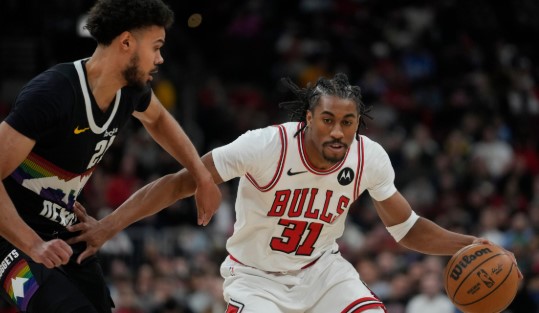
In the high-stakes world of professional sports, athletes are increasingly under scrutiny, not just for their performance on the court, but for their conduct off it. The recent incident involving NBA player Jaden Ivey and an anti-LGBTQ+ livestream has ignited a crucial conversation, drawing sharp criticism from sports analyst Stephen A. Smith and prompting a wider examination of athlete accountability. As Ivey, a promising young talent for the Detroit Pistons, navigates the fallout from remarks perceived as homophobic, the incident serves as a stark reminder of the immense platform athletes hold and the profound impact their words can have on communities, particularly the global queer community. This deep dive for Gay Telegraph explores the implications of Ivey’s actions, the NBA’s progressive stance on inclusion, the significant voice of Stephen A. Smith, and the broader expectations for public figures in championing respect and equality.
The Incident: Jaden Ivey’s Livestream and Immediate Repercussions
The controversy erupted when Jaden Ivey was seen participating in a social media livestream where anti-LGBTQ+ sentiments were reportedly expressed. While the exact content of the livestream has been debated and Ivey’s direct involvement in uttering the offensive remarks is less clear, his presence and perceived endorsement of the rhetoric were enough to spark outrage. In the age of viral content, such incidents spread like wildfire, drawing immediate condemnation from fans, media, and advocacy groups alike. The nuanced nature of online interactions often complicates accountability, yet the public expects individuals, especially those with considerable influence, to actively disassociate from hate speech. For many in the LGBTQ+ community, the mere association of a public figure with such rhetoric is deeply hurtful and reinforces feelings of marginalization.
Unpacking the Remarks
Reports indicated that the livestream featured homophobic slurs and derogatory comments targeting the LGBTQ+ community. While Ivey himself may not have been the primary speaker of these slurs, his visible participation in the stream, without apparent challenge or disassociation, implicated him in the offensive content. This level of proximity to hate speech, particularly from a public figure, is where the issue of accountability becomes paramount. It forces a discussion not just about direct action, but about passive endorsement and the responsibility to intervene or distance oneself from harmful discourse.
The Viral Spread and Initial Backlash
The swiftness with which the livestream clip circulated across social media platforms underscored the hyper-connected nature of modern communication. Screenshots and short video clips became evidence, fueling a torrent of critical comments and discussions. Fans expressed disappointment, while LGBTQ+ advocates highlighted the detrimental impact of such public displays of prejudice. This immediate backlash is indicative of a growing intolerance for hate speech, particularly when it emanates from figures admired by millions.
Stephen A. Smith’s Scrutiny: A Powerful Voice Weighs In
Among the most prominent voices to weigh in on the controversy was ESPN’s Stephen A. Smith. Known for his unfiltered opinions and considerable influence in sports media, Smith did not mince words. He publicly stated that Ivey had put his “NBA future in jeopardy” due to the anti-LGBTQ+ livestream. This strong condemnation from a respected figure like Smith carries significant weight, shaping public perception and potentially influencing how the league and Ivey’s team address the situation.
Smith’s Platform and Influence
Stephen A. Smith commands one of the largest platforms in sports journalism. His commentary is consumed by millions daily, making his words impactful far beyond the typical sports discussion. When Smith speaks, he often reflects and amplifies the sentiment of a significant portion of the sports-watching public, including many who may not be deeply immersed in LGBTQ+ issues. His direct assertion that Ivey’s actions could imperil his career sends a clear message about the seriousness with which such incidents are viewed in professional sports today.
The Stakes for NBA Careers
Smith’s assertion about Ivey’s NBA future wasn’t an exaggeration but a reflection of evolving standards. Professional athletes are not just players; they are brands, role models, and representatives of their teams and the league. Actions perceived as discriminatory can lead to significant financial repercussions, including loss of endorsements, damage to personal brand, and even team-level disciplinary actions. In an era where inclusivity is increasingly valued by corporations and consumers, an athlete’s public stance on social issues has direct bearing on their marketability and longevity. The NBA, in particular, has positioned itself as a progressive league, making such incidents particularly jarring.
The NBA’s Progressive Stance: A League at the Forefront of Inclusion
The National Basketball Association has, for many years, been at the vanguard of promoting social justice and inclusivity among professional sports leagues. From its swift action against racist remarks by former Clippers owner Donald Sterling to its vocal support for Black Lives Matter, the league has often used its platform to champion progressive values. Its stance on LGBTQ+ rights is no exception, making Ivey’s alleged involvement in an anti-LGBTQ+ livestream a direct contradiction of the league’s stated principles.
A History of LGBTQ+ Allyship
The NBA has a commendable history of supporting the LGBTQ+ community. This commitment was powerfully demonstrated when Jason Collins came out as the first openly gay active male athlete in a major American professional sport in 2013. The league, and Adam Silver personally, offered unequivocal support. Since then, the NBA has continued to host Pride nights, feature inclusive messaging, and foster environments where diversity is celebrated. This consistent effort to promote LGBTQ+ allyship in sports sets a high bar for its players and organizations, making deviations from these values highly noticeable and subject to critique.
Adam Silver’s Leadership and Corporate Values
Commissioner Adam Silver has consistently reiterated the NBA’s commitment to social responsibility and inclusion. Under his leadership, the league has encouraged players to speak out on issues of importance and has sought to create a league culture that reflects the diversity of its global fanbase. This commitment extends to ensuring a safe and welcoming environment for LGBTQ+ individuals, whether they are players, staff, or fans. An incident like Ivey’s forces the league to re-evaluate how effectively these values are internalized and upheld by all its members, from top executives to rookie players.
Beyond the Court: The Impact on LGBTQ+ Fans and Athletes
For the LGBTQ+ community, incidents like Jaden Ivey’s livestream are more than just news headlines; they are deeply personal. They underscore the persistent challenges faced by queer individuals in society, even in spaces traditionally seen as unifying, like sports. The words and actions of public figures, whether intended or not, contribute to a broader cultural climate that can either foster acceptance or perpetuate prejudice.
The Psychological Toll of Exclusion
When an athlete with a significant platform appears to endorse anti-LGBTQ+ sentiment, it sends a chilling message to queer fans and aspiring athletes. It can reinforce feelings of being unwelcome, unsafe, or invisible within the sports community. Young LGBTQ+ athletes, in particular, may internalize these messages, leading to anxiety, self-doubt, and a reluctance to fully participate or be themselves. Sports are meant to be a source of joy and community, and such incidents undermine that fundamental promise for many.
The Importance of Safe Spaces in Sports
Creating genuinely inclusive and safe spaces in sports is paramount. This goes beyond symbolic gestures to active cultivation of environments where all individuals, regardless of sexual orientation or gender identity, feel respected and valued. When such spaces are compromised by public displays of prejudice, it becomes a setback not just for the individuals directly affected, but for the entire movement toward greater diversity and inclusion in athletics. The NBA has worked hard to foster these spaces, and any challenge to that commitment is taken seriously by its community stakeholders.
The Double Standard for Athletes
There’s often a perceived double standard in how different controversies involving athletes are handled. While some might argue that private beliefs shouldn’t affect a career, the reality is that athletes are public figures. Their endorsements, their public statements, and their associations are scrutinized. For many, an anti-LGBTQ+ stance is not a ‘private belief’ but a form of discrimination that directly harms a marginalized group. The expectation for professional athletes to uphold certain ethical standards is increasingly tied to respecting all communities, a facet of the broader fight for LGBTQ+ rights.
Corporate Responsibility and Brand Alignment in the Modern Era
In today’s corporate landscape, brands are increasingly aligning themselves with social values. This means that athletes who engage in controversial behavior, especially that which is discriminatory, face not only public backlash but also the risk of losing lucrative endorsement deals. Companies are under pressure from consumers and investors to demonstrate their commitment to diversity, equity, and inclusion, making partnerships with athletes who contradict these values a significant liability.
Endorsements and the “Morality Clause”
Most endorsement contracts include “morality clauses” that allow brands to terminate agreements if an athlete’s conduct brings disrepute upon themselves or the brand. While historically these clauses might have focused on criminal behavior, their scope has expanded to include social media conduct and public statements that clash with a brand’s corporate values. An anti-LGBTQ+ incident falls squarely within this expanded definition, putting an athlete’s income streams beyond their NBA salary at risk.
The Shifting Landscape of Sponsorship
The demographic of sports consumers is also shifting, with younger generations demonstrating a stronger preference for brands that reflect their progressive values. Sponsors are acutely aware of this and are less willing to take risks on athletes who alienate significant portions of the market. This commercial reality adds another layer to the importance of athlete accountability, compelling players and their agents to be highly mindful of public perception and social stances.
A Path Forward: Education, Empathy, and Genuine Accountability
While the initial reaction to incidents like Ivey’s often focuses on punishment, a more constructive path involves education, fostering empathy, and genuine accountability. This is not about ‘canceling’ an athlete but about providing an opportunity for growth and understanding.
The Role of Teams and Player Development Programs
NBA teams and the league itself have player development programs designed to help young athletes navigate their public roles. This incident highlights the critical need for these programs to include comprehensive education on diversity, inclusion, and the impact of hate speech on marginalized communities. It’s about more than just avoiding controversy; it’s about cultivating empathetic citizens and leaders.
Learning from Mistakes: A Chance for Growth
For Jaden Ivey, this controversy could be a pivotal learning moment. A genuine, well-informed apology, followed by concrete actions such as engaging with LGBTQ+ organizations, participating in educational initiatives, and becoming an active ally, could go a long way in repairing his image and demonstrating true commitment to growth. The community often values sincere efforts at reconciliation and education over mere damage control.
The Power of Public Apologies and Restitution
A boilerplate apology often falls flat. What is truly impactful is an apology that demonstrates understanding of the harm caused, takes full responsibility, and outlines steps for future positive action. Engaging with LGBTQ+ community leaders, offering support to relevant charities, or becoming a vocal advocate for inclusion could transform a misstep into an opportunity for positive impact, showcasing true athlete accountability.
The Broader Context: Anti-LGBTQ+ Sentiment in Society and Sports
Jaden Ivey’s incident is not an isolated event but a reflection of ongoing societal struggles. Despite significant progress in LGBTQ+ rights, anti-LGBTQ+ sentiment persists, often fueled by misinformation and prejudice. Sports, as a microcosm of society, inevitably reflect these broader tensions.
Echoes of Wider Cultural Battles
Globally, the LGBTQ+ community faces varying degrees of acceptance and persecution. In many parts of the world, anti-LGBTQ+ laws and social attitudes remain prevalent. Even in countries with progressive legal frameworks, everyday discrimination and hate speech continue to be a reality. Incidents involving public figures, even seemingly minor ones, can exacerbate these broader issues, validating prejudiced views and making the fight for equality more challenging.
Sports as a Microcosm of Society
Sports have always mirrored societal changes and challenges. They have the power to unite and to divide. When an athlete expresses or condones anti-LGBTQ+ views, it underscores that even in spaces celebrated for their diversity and teamwork, prejudice can surface. This makes the commitment of leagues like the NBA to actively counter such attitudes even more vital.
Conclusion: Upholding Values in the Face of Controversy
The Jaden Ivey livestream controversy serves as a critical juncture, reminding us that professional athletes are not immune from the expectation of social responsibility. Stephen A. Smith’s potent warning about Ivey’s NBA future underscores a significant cultural shift where moral and ethical conduct, particularly concerning marginalized communities, is inextricably linked to professional success and public acceptance. For the Gay Telegraph and its readers, this incident is a call to action and a moment for reflection. It highlights the importance of vigilance in challenging hate speech, advocating for genuine athlete accountability, and supporting leagues and organizations that prioritize inclusivity. While mistakes can be made, the path forward must always be paved with education, empathy, and an unwavering commitment to fostering a world where all individuals, regardless of their identity, feel safe, respected, and celebrated both on and off the court.