Gavin Newsom’s ‘Grindr Jokes’ Spark Significant Newsom Backlash: A Deep Dive into Allyship and Accountability
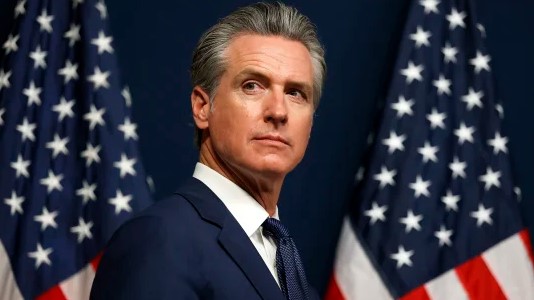
California Governor Gavin Newsom, a figure frequently lauded as a progressive champion and a staunch advocate for LGBTQ+ rights, recently found himself embroiled in a controversy that has sent ripples of disappointment and concern throughout the global queer community. The cause? Alleged ‘Grindr jokes’ and broader anti-gay rhetoric attributed to him, sparking a significant Newsom backlash. This incident, reported by outlets like Instinct Magazine, forces a critical examination of allyship, the insidious nature of microaggressions, and the ever-present need for vigilance, even from presumed friends.
For many within the LGBTQ+ community, Newsom has long been a beacon of hope. From his pioneering stance on marriage equality as Mayor of San Francisco in 2004, defying state law by issuing marriage licenses to same-sex couples, to his consistent legislative support for queer and trans rights in California, his record has largely been perceived as exemplary. California, under his leadership and that of his predecessors, has often set the gold standard for LGBTQ+ protections in the United States. It is precisely this robust history of advocacy that makes the recent accusations so jarring and the subsequent backlash so pronounced.
The Nature of the Offence: More Than Just a Joke
While specific quotes detailing the ‘Grindr jokes’ or the precise context of the ‘anti-gay rhetoric’ were not explicitly detailed in the initial reports, the mere mention of such language immediately raises red flags within the LGBTQ+ community. ‘Grindr jokes’ typically lean into stereotypes about gay male promiscuity, reduce queer relationships to mere sexual encounters, and often carry a whiff of judgment or derision. Such humor, even if intended innocently or as an attempt at levity, can be deeply damaging.
- Perpetuating Stereotypes: Jokes about Grindr, a dating app predominantly used by gay, bi, trans, and queer people, often reinforce harmful stereotypes about gay men being hypersexual or promiscuous. These stereotypes have historically been used to pathologize and discriminate against the community, contributing to a climate of shame and othering.
- Minimizing Identity: Reducing LGBTQ+ identity to an app or sexual behavior trivializes the complex and multifaceted experiences of queer individuals. It ignores the emotional, relational, and cultural aspects of queer life.
- Normalizing Othering: When a public figure, particularly one who claims allyship, engages in such humor, it can inadvertently normalize language that ‘others’ the LGBTQ+ community. It signals that it’s acceptable to make light of queer spaces and identities, even if the intent isn’t malicious.
The concept of a ‘joke’ often serves as a shield for prejudice. When challenged, perpetrators frequently retreat behind the defense, ‘It was just a joke!’ This response, however, dismisses the real-world impact of such remarks. For a community that has historically been – and continues to be – targeted by violence, discrimination, and legislative attacks, seemingly benign jokes can be far from harmless. They contribute to a societal atmosphere where queer lives are seen as less worthy of respect, fostering an environment where more overt forms of hatred can flourish.
The Weight of Expectation: When Allies Miss the Mark
The LGBTQ+ community places immense trust and high expectations on its allies, especially those in positions of power. An ally is not merely someone who votes correctly on legislation; they are expected to embody principles of respect, understanding, and advocacy in their everyday language and conduct. When a prominent ally like Newsom appears to falter in this regard, the disappointment is amplified.
This incident underscores a crucial lesson: allyship is not a status to be achieved and then forgotten; it is a continuous process of learning, listening, and self-correction. It requires an active commitment to understanding the nuances of queer experiences and a willingness to adapt one’s language and behavior accordingly. The LGBTQ+ community’s history is replete with examples of individuals and institutions that, while appearing supportive on the surface, harbored deeper prejudices or engaged in casual discrimination. This makes the global queer community’s vigilance paramount.
Beyond Newsom: A Broader Conversation on Language and Power
The Newsom backlash is not an isolated incident but rather a microcosm of a larger, ongoing struggle concerning language, power, and respect. In an era where anti-LGBTQ+ rhetoric is increasingly weaponized by conservative forces globally, often culminating in discriminatory laws and violence, the stakes for inclusive language are higher than ever. Every politician, regardless of their party affiliation or track record, must understand that their words carry immense weight and can either uplift or undermine the fight for equality.
This incident also serves as a reminder that microaggressions, subtle verbal or nonverbal slights, indignities, or insults, whether intentional or unintentional, can communicate hostile, derogatory, or negative messages to target persons based solely upon their marginalized group membership. While perhaps not as overtly damaging as a hate crime, the cumulative effect of microaggressions chips away at an individual’s sense of belonging and safety, contributing to systemic prejudice.
The incident involving Governor Newsom thus feeds into a broader national and international dialogue about the importance of mindful communication. As LGBTQ+ rights continue to face challenges from regressive political movements across the globe, the rhetoric of those who claim to be allies must be unimpeachable. The fight for equality isn’t just about passing laws; it’s about shifting cultural norms, changing hearts and minds, and fostering environments where all individuals feel respected and safe. This requires allies to be not just supporters, but active participants in modeling inclusive behavior and language.
The Imperative of Accountability and Dialogue
When figures like Newsom face criticism, their response is critical. A genuine apology that acknowledges the harm caused, rather than simply expressing regret for being misunderstood, is essential. More importantly, it requires a demonstrated commitment to learning from the mistake and actively working to ensure such incidents do not recur. This could involve engaging with LGBTQ+ community leaders, undergoing sensitivity training, or publicly reaffirming commitment to inclusive language and action.
The backlash itself is a powerful form of accountability. It demonstrates that the LGBTQ+ community is not passive and will not tolerate even subtle forms of prejudice, especially from those who should know better. It’s a testament to the community’s strength and its insistence on holding all individuals, regardless of their political standing or past contributions, to a high standard of respect and equity.
For journalists, activists, and community members working towards broader fight for LGBTQ+ equality, this serves as a potent reminder that the battle for acceptance is fought on multiple fronts – from legislative chambers to casual conversations. It highlights the critical role of queer media platforms like Gay Telegraph in amplifying these conversations, providing a space for critical analysis, and ensuring that voices from the community are heard and respected.
Moving Forward: Rebuilding Trust and Strengthening Allyship
The controversy surrounding Governor Newsom and his alleged remarks offers a crucial opportunity for reflection – not just for him, but for all public figures and indeed, for society at large. It underscores that truly effective allyship requires ongoing education, empathy, and a profound understanding of the historical and contemporary struggles faced by marginalized communities.
For the LGBTQ+ community, this incident reinforces the need to remain vigilant, to call out prejudice wherever it appears, and to continue advocating for a world where respect is universal and unconditional. It’s a reminder that even those who appear to be on our side can sometimes inadvertently perpetuate harm, and that true progress demands constant scrutiny and unwavering commitment to our collective liberation.
Ultimately, the Newsom backlash serves as a powerful testament to the community’s resilience and its refusal to compromise on dignity. It’s a call for deeper self-awareness from allies, a demand for genuine accountability, and a reaffirmation that the fight for full LGBTQ+ equality encompasses not just laws and policies, but also the very fabric of our everyday language and social interactions.