US Supreme Court Overturns Colorado Anti-Conversion Therapy Law: A Deep Dive into the Backlash and its Ramifications
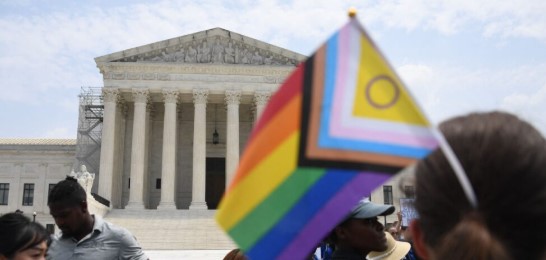
In a decision that has sent shockwaves through the LGBTQ+ community and drawn widespread condemnation from human rights advocates and mental health professionals, the U.S. Supreme Court has overturned Colorado’s anti-conversion therapy law. This ruling marks a significant setback in the ongoing battle to protect vulnerable queer youth from harmful and discredited practices, sparking immediate backlash and raising profound questions about the future of LGBTQ+ rights and state regulatory powers across the nation. At the heart of the matter lies a critical tension between protecting individual liberties, often invoked as freedom of speech or religious expression, and the imperative to safeguard the well-being of minors from medically baseless interventions. The overturning of this specific conversion therapy law is not merely a legal technicality; it is a profound symbolic blow that threatens to embolden proponents of these dangerous practices and undermine years of advocacy.
The Colorado Law and Its Intent
Colorado’s anti-conversion therapy law, like similar statutes in over 20 other states and numerous municipalities, was enacted with a clear and compassionate purpose: to protect LGBTQ+ minors from the psychological, emotional, and spiritual abuse inherent in efforts to change their sexual orientation or gender identity. These laws typically prohibit licensed medical and mental health professionals from engaging in conversion therapy with patients under the age of 18. The rationale is firmly rooted in established scientific and medical consensus: major professional organizations, including the American Psychological Association (APA), the American Medical Association (AMA), and the American Academy of Pediatrics (AAP), have unequivocally condemned conversion therapy, deeming it ineffective, unscientific, and actively harmful. They recognize that being LGBTQ+ is a normal and healthy variation of human experience, not a disorder to be cured.
The Colorado statute was a crucial legislative safeguard, aiming to prevent practices that contribute to increased rates of depression, anxiety, self-harm, and suicidal ideation among LGBTQ+ youth. For many queer individuals and their families, these laws represent a beacon of hope, a tangible sign that the state recognizes their inherent worth and is committed to protecting them from practices that deny their identity.
The Supreme Court’s Decision: A Blow to State Regulatory Power?
While the full written opinion detailing the majority’s reasoning is still being dissected, the immediate reports highlight a concerning trend. The brief summary indicates that Justice Ketanji Brown Jackson was the sole objector, stating unequivocally: “It threatens to impair States’ ability to regulate the provision of medical care in any respect.” This powerful dissent offers a crucial window into the majority’s likely arguments. It suggests the Court’s majority may have prioritized interpretations of First Amendment rights—specifically freedom of speech or religious exercise—over the state’s established authority to regulate healthcare professionals and protect vulnerable populations, particularly minors.
This approach raises significant alarms. If the Court found that even licensed professionals’ speech, when offering discredited and harmful “treatments,” falls under protected speech in a way that overrides state health regulations, it could create a dangerous precedent. States traditionally hold broad powers to regulate professions, especially those related to public health and safety. Undermining this authority, particularly in the context of medical and psychological services for minors, could open the floodgates for challenges to other regulations aimed at protecting children and patients from malpractice or harmful advice.
The lack of a detailed public majority opinion further complicates the immediate understanding, but the implications are clear: the decision appears to create a significant hurdle for states attempting to safeguard their citizens from practices widely considered unethical and harmful by the scientific and medical community. It potentially elevates certain interpretations of individual or religious freedom above collective public health and safety, particularly for a marginalized group.
The Undeniable Harms of Conversion Practices
To fully grasp the gravity of this Supreme Court decision, one must understand the profound and lasting damage inflicted by conversion therapy. Often disguised as counseling, therapy, or spiritual guidance, these practices are rooted in the erroneous belief that being LGBTQ+ is a mental illness, a moral failing, or a choice that can be altered. Methods can range from talk therapy designed to modify behavior and thoughts, to more extreme and deeply unethical interventions, some historically involving aversion techniques.
- Psychological Trauma: Survivors frequently report severe psychological distress, including anxiety, depression, post-traumatic stress disorder (PTSD), and a profound sense of shame and self-hatred.
- Increased Suicide Risk: Research consistently shows a strong correlation between conversion therapy experiences and elevated rates of suicidal ideation and attempts among LGBTQ+ youth. The Trevor Project’s 2023 National Survey on the Mental Health of LGBTQ Young People found that 14% of LGBTQ youth reported having undergone conversion therapy, with those who did reporting significantly higher rates of attempting suicide in the past year.
- Erosion of Trust: It destroys trust in family, religious institutions, and mental health professionals, often at a critical developmental stage for young people.
- Strained Family Relationships: Often, youth are coerced into conversion therapy by well-meaning but misinformed parents, leading to irreparable damage to family bonds.
- Internalized Homophobia/Transphobia: The core message of conversion therapy is that one’s identity is wrong, leading to deep-seated internalized homophobia or transphobia that can take years, if not decades, to unpack and heal from.
These are not abstract harms; they are lived realities for countless survivors. The scientific and medical communities have overwhelmingly rejected these practices, yet they persist, often targeting the most vulnerable among us: children and adolescents grappling with their identity.
A Chilling Effect on State-Level Protections
The Supreme Court’s ruling against Colorado’s statute is likely to have a significant chilling effect on other states that have enacted similar bans. It could provide new legal ammunition for opponents of these bans, leading to renewed legal challenges and potentially the dismantling of existing protections. States that were considering such legislation may now hesitate, fearing that their efforts will be overturned on similar constitutional grounds.
This decision complicates the already fragmented legal landscape for LGBTQ+ rights in the United States. While some states have robust protections, others offer none, and this ruling could exacerbate that disparity. It underscores the fragility of rights that are constantly under attack and subject to judicial interpretation. The battle for LGBTQ+ equality is rarely a linear progression, and this ruling serves as a stark reminder of the persistent threats faced by the community.
Reactions and the Resurgence of Advocacy
The backlash to the Supreme Court’s decision has been swift and severe. LGBTQ+ advocacy groups, civil rights organizations, and mental health associations have voiced strong condemnation. Statements from leading organizations emphasized the danger of the ruling, reiterating that conversion therapy is torture and that the Court has failed to protect vulnerable youth. Many are framing this as a direct assault on the well-being of LGBTQ+ minors and a fundamental misunderstanding of public health imperatives.
Activists are calling for renewed vigor in the fight against conversion practices, urging a multi-pronged approach that includes:
- Public Education: Increasing awareness about the harms of conversion therapy and the consensus of major medical bodies.
- Legislative Action: Exploring alternative legislative strategies at both state and federal levels that might withstand judicial scrutiny, focusing on consumer protection laws or professional ethics regulations.
- Legal Challenges: Preparing for new legal battles to defend existing bans and challenge any attempts to introduce conversion practices under the guise of free speech or religious freedom.
- Community Support: Strengthening support networks and resources for LGBTQ+ youth and survivors of conversion therapy.
The decision, rather than silencing advocates, appears to have galvanized them, highlighting the enduring resilience and determination within the queer community to protect its members.
The Broader Context: A Challenging Climate for LGBTQ+ Rights
This Supreme Court decision does not occur in a vacuum. It comes at a time when LGBTQ+ rights, particularly those pertaining to transgender individuals and youth, are facing unprecedented legislative and social attacks across the United States. From bans on gender-affirming care to restrictions on queer literature in schools and drag performances, there is a coordinated effort to roll back progress and marginalize the community.
The Supreme Court, with its current conservative majority, has increasingly become a focal point of concern for civil rights advocates. While the Court has previously delivered landmark rulings like Obergefell v. Hodges (marriage equality), recent decisions and appointments have signaled a more conservative trajectory, prompting fears that established rights could be eroded. This ruling on the politics and rights of queer people serves as another stark reminder of the ongoing struggle and the crucial role of the judiciary in shaping societal protections and freedoms.
Globally, the fight against conversion therapy continues. Countries like Canada, Germany, and Malta have implemented national bans, and there are ongoing discussions in the UK and across the European Union to follow suit. The U.S. Supreme Court’s decision, therefore, stands in stark contrast to the growing international consensus that these practices are human rights violations. This divergence can have repercussions, potentially empowering anti-LGBTQ+ movements in other nations and creating a perception that the global effort to end conversion therapy is facing significant headwinds. For a broader understanding of how these issues play out on the international stage, readers can explore our world news coverage.
Looking Ahead: Strategies for Resistance and Protection
The path forward, while challenging, is not without hope. Advocates will need to employ sophisticated legal and legislative strategies to circumvent or mitigate the impact of this ruling. This could involve crafting new laws that focus less on “speech” and more on “professional conduct” or “consumer protection” within licensed medical and therapeutic contexts, thus sidestepping potential First Amendment challenges. Emphasizing the fraudulent nature of conversion therapy, given its lack of scientific basis and proven harm, could be another avenue.
Beyond legislative efforts, sustained public awareness campaigns are vital. Many people, including some parents, remain unaware of the profound harm conversion therapy inflicts. Educating the public about the consensus of medical and psychological experts, and sharing the stories of survivors, can build empathy and political will for change.
Furthermore, strengthening community-based support systems for LGBTQ+ youth is more critical than ever. Organizations offering affirming mental health services, safe spaces, and mentorship can provide a lifeline for young people who might otherwise be vulnerable to coercive practices or feel isolated. The resilience of the queer community has always been its greatest strength, and collective action will be essential in navigating this new legal landscape.
Conclusion: A Call for Unwavering Commitment
The Supreme Court’s decision to overturn Colorado’s anti-conversion therapy law is a deeply concerning development, signaling a potential erosion of protections for LGBTQ+ youth and raising serious questions about the scope of state regulatory authority over harmful medical practices. Justice Jackson’s lone dissent underscores the gravity of prioritizing abstract interpretations of rights over the tangible well-being of vulnerable populations. For the Gay Telegraph, this ruling reaffirms our unwavering commitment to bringing authoritative and engaging news to the global queer community.
As we navigate these challenging times, it is imperative that we remain vigilant, informed, and united. The fight against conversion therapy is a fight for human dignity, for scientific integrity, and for the fundamental right of every individual to live authentically and without fear of harm. The road ahead may be arduous, but the resolve to protect LGBTQ+ youth and ensure their safety and well-being must remain unyielding.

admin
Related stories

Idaho’s ‘Most Extreme’ Anti-Trans Law: A Deep Dive into its Perilous Implications for the LGBTQ+ Community

The World Cup Pride Match: A Deeper Look into Tickets, Visibility, and Global Rights