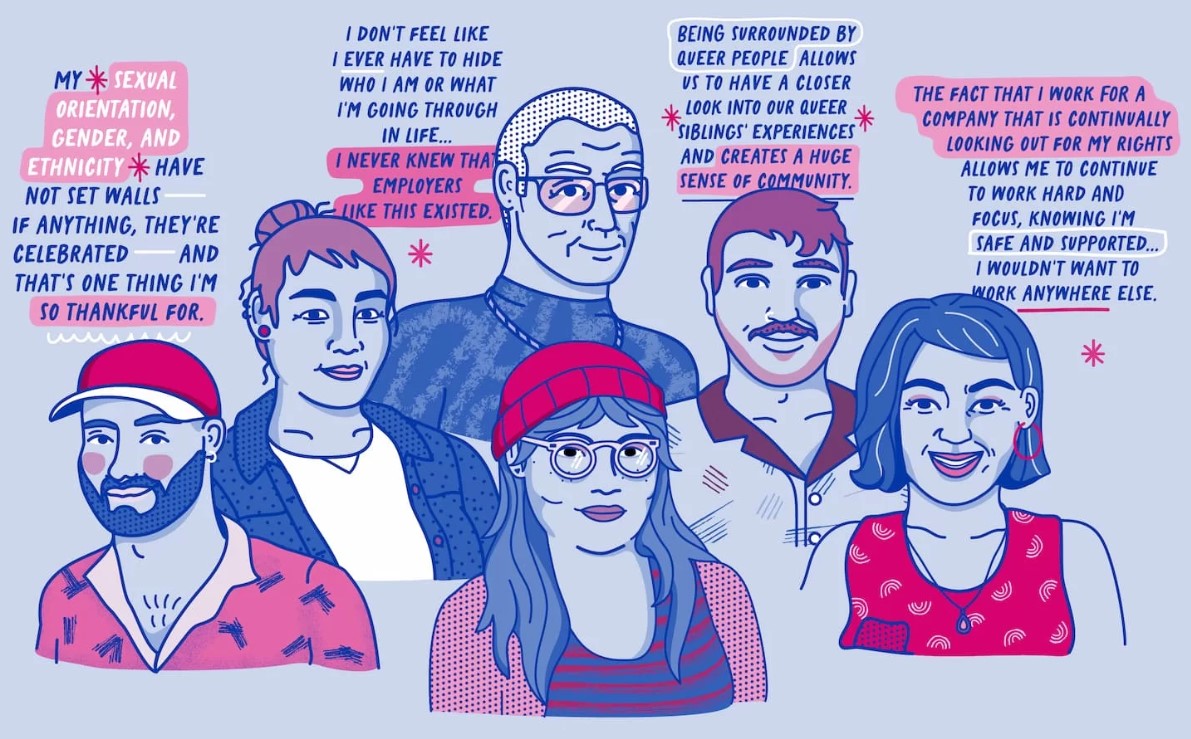
The Evolution of Corporate Equality: A Deep Dive into 2026
In recent years, the global conversation surrounding LGBTQ+ rights in the workplace has shifted dramatically. It is no longer sufficient for companies to simply issue a generic anti-discrimination statement or temporarily change their corporate logo to a rainbow during Pride Month. As we firmly navigate through 2026, the demand from queer professionals and allies alike is for genuine, systemic, and measurable equity. Corporate equality today requires fostering environments where LGBTQ+ individuals can thrive, lead without a glass ceiling, and feel entirely secure in their authentic identities.
Despite significant legal advancements across various global jurisdictions, many individuals still face a spectrum of challenges in their professional lives. These range from navigating subtle microaggressions in the breakroom to advocating for comprehensive healthcare benefits that include transgender and gender-nonconforming care. The modern corporate landscape requires a profound understanding of one’s rights and the structural tools available to enforce them. This comprehensive, long-form guide serves as your definitive cornerstone for understanding, evaluating, and advancing LGBTQ+ rights in the workplace today. Whether you are an entry-level employee, a seasoned executive, or an HR professional seeking to improve your company culture, this guide provides the actionable insights you need.
Understanding Your Legal Protections and Fundamental Rights
The foundation of workplace equality is inexorably built upon robust legal protections. While the application of these laws varies significantly depending on your specific country, state, or local jurisdiction, a global standard is rapidly emerging. This standard rightfully recognizes sexual orientation, gender identity, and gender expression as protected classes under employment law. Keeping abreast of workplace equality legislation is the first step in protecting your career and your mental well-being.
Federal, State, and Local Anti-Discrimination Laws
In many regions, landmark Supreme Court rulings and progressive legislative acts have solidified the undeniable fact that firing, demoting, or penalizing an employee simply for being LGBTQ+ is illegal. When evaluating your LGBTQ+ rights in the workplace, it is absolutely crucial to familiarize yourself with the specific statutes that govern your geographic employment area. Generally, these comprehensive laws protect you from multiple forms of discrimination, including but not limited to:
- Hiring and Firing: Being denied employment, passed over for promotions, or wrongfully terminated based on your queer identity.
- Hostile Work Environments: Experiencing pervasive harassment, slurs, or a toxic atmosphere that makes it impossible to perform your duties effectively.
- Disparate Treatment: Being subjected to unequal treatment regarding salary negotiations, bonus structures, health benefits, or high-profile project assignments.
If you suspect that your rights are being violated, documentation is your most powerful tool. Keep meticulous records of discriminatory incidents, email communications, and witness accounts before escalating the issue to Human Resources or seeking external legal counsel.
The Right to Comprehensive and Inclusive Healthcare Benefits
One of the most critical and fiercely debated battlegrounds for LGBTQ+ rights in the workplace in 2026 is healthcare equality. True corporate inclusion means providing medical and lifestyle benefits that serve the unique and specific needs of the queer community. Standard health insurance is no longer enough.
A progressive benefits package must include health insurance plans that unequivocally cover gender-affirming care, including hormone replacement therapy (HRT) and necessary surgeries. Furthermore, it should offer mental health resources tailored specifically to LGBTQ+ individuals, provided by culturally competent therapists. Family planning is another vital area; benefits such as IVF coverage, surrogacy stipends, and adoption assistance must apply equally to same-sex couples. Companies leading the charge in equality understand that inclusive lifestyle benefits directly correlate with employee retention and overall job satisfaction.
How to Identify a Truly Inclusive Employer During the Hiring Process
Job seekers today, particularly top-tier talent, have more leverage than ever to demand inclusive working environments. But how can you accurately tell the difference between performative allyship—often referred to as “rainbow capitalism”—and a genuinely inclusive, supportive company culture? Here are the critical indicators to look for before you sign an employment contract:
Examining Non-Discrimination Policies and Core Values
A truly inclusive employer will have a crystal-clear, easily accessible, and legally binding non-discrimination policy that explicitly mentions “sexual orientation,” “gender identity,” and “gender expression.” However, words on a page are just the beginning. This policy should not be buried on the last page of an employee handbook; it should be a central, visible tenet of the company’s core values, integrated into onboarding processes, and widely communicated to all staff on a regular basis.
The Power of Active Employee Resource Groups (ERGs)
Employee Resource Groups (ERGs) are the lifeblood of corporate inclusion and diversity. An active, well-funded LGBTQ+ ERG provides a vital safe space for networking, community building, mentorship, and peer support. More importantly, powerful and effective ERGs have a direct, unobstructed line of communication to executive leadership. This access allows them to advocate for systemic policy changes, audit company practices, and ensure that the diverse voices of queer professionals actively shape the company’s future trajectory.
Visible Leadership, Representation, and the Glass Ceiling
Representation matters immensely in the corporate sphere. When assessing LGBTQ+ rights in the workplace at a prospective company, look closely at their leadership team and board of directors. Are there openly queer individuals in executive, VP, or C-suite positions? A glaring lack of diversity at the top often indicates a systemic “glass ceiling” for marginalized groups, no matter how friendly and inclusive the entry-level or middle-management culture may superficially seem. True inclusion means equitable opportunities for advancement to the highest levels of power.
Navigating Daily Workplace Challenges and Microaggressions
Even within the most progressive, highly-rated companies, microaggressions—those subtle, sometimes unintentional, yet deeply impactful slights or snubs—can slowly create a toxic and draining atmosphere. Knowing how to precisely identify and professionally address these issues is a vital part of exercising your LGBTQ+ rights in the workplace on a day-to-day basis.
Dealing with Pronoun Misuse, Deadnaming, and Gender Identity
For transgender, non-binary, and gender-expansive professionals, intentional or repeatedly careless deadnaming (using a person’s pre-transition name) and pronoun misuse are not just minor signs of disrespect; they constitute a form of workplace harassment. Modern companies must normalize the sharing of pronouns in email signatures, Slack profiles, and meeting introductions to remove the burden of explanation from trans employees. Furthermore, Human Resources departments must take swift, corrective action when these personal boundaries are repeatedly violated by colleagues or management.
Deconstructing the “Culture Fit” Trap
Often, incredibly talented queer employees are passed over for promotions, raises, or key projects under the frustratingly vague guise of not being a “culture fit.” This highly subjective metric is frequently weaponized to mask unconscious bias, homophobia, or transphobia. Advocating for your LGBTQ+ rights in the workplace means actively pushing back against these vague assessments and demanding transparent, metric-based, and objective performance reviews that leave absolutely no room for discriminatory interpretations.
Advocating for Transgender and Non-Binary Inclusion Initiatives
The global fight for corporate equality must actively center the most marginalized members of our community. Data consistently shows that transgender and non-binary individuals face disproportionately high rates of workplace discrimination, unemployment, and underemployment. Elevating LGBTQ+ rights in the workplace means ensuring that physical facilities, such as restrooms and locker rooms, are either entirely gender-neutral or that employees are fully, legally supported in using the facilities that seamlessly align with their gender identity.
Furthermore, forward-thinking companies must establish robust, supportive, and completely confidential gender transition guidelines. This crucial framework ensures that an employee who decides to transition on the job is met with institutional support, clear communication plans, and healthcare advocacy, rather than administrative hurdles, interpersonal friction, or the fear of losing their livelihood.
The Undeniable Economic Power of Queer Professionals
Beyond the fundamental moral imperative of treating all human beings with dignity, there is a massive, data-driven economic argument for upholding LGBTQ+ rights in the workplace. The global queer community’s purchasing power—often referred to as the “Pink Pound” or “Pink Dollar”—represents trillions of dollars annually. Companies that alienate queer talent inevitably alienate queer consumers.
Furthermore, extensive research from top business schools empirically proves that diverse, inclusive teams are significantly more innovative, far more profitable, and vastly better equipped to solve complex market problems than homogenous teams. When companies fail to protect and nurture their queer employees, they suffer the severe financial consequences of high turnover rates, lasting brand damage, and a critical loss of top-tier, creative talent. The modern workforce, particularly Gen Z and Millennials, categorically refuses to settle for employers who do not fiercely champion human rights. Therefore, advocating for comprehensive corporate equality is not merely a niche community issue; it is a fundamental, non-negotiable business strategy for the 21st century.
Conclusion: The Ongoing Path Forward for Workplace Equality
As we look toward the future and continue to navigate the complexities of 2026, the landscape of LGBTQ+ rights in the workplace will undoubtedly continue to evolve. It is not a battle that is won overnight. It requires constant vigilance, active and courageous advocacy, and an unwavering commitment from both employees at all levels and executive leadership.
Whether you are entering the professional workforce for the very first time, seeking a hard-earned promotion, or leading a multinational corporation, deeply understanding and championing these fundamental rights is essential for progress. At Gay Telegraph, we firmly believe that your professional life should be a source of empowerment, innovation, and financial security, not a space where you must hide your authentic self to survive. By knowing your legal rights, boldly supporting your colleagues, and holding corporate entities strictly accountable to their promises, we can collectively build a global workforce where equality is not just an empty corporate policy, but a lived, daily reality for everyone.