Beyond the Stereotypes: The New Era of Authentic Storytelling
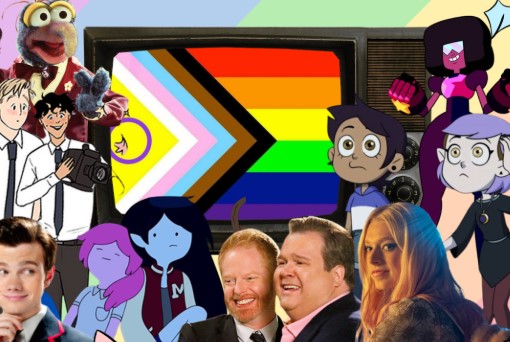
In the vast and influential landscape of global entertainment, the way stories are told has the power to shift social paradigms. For decades, the LGBTQ+ community was relegated to the sidelines of the screen, often appearing as tragic tropes, comic relief, or villainous caricatures. However, as we move through 2026, the shift in queer representation in modern mainstream media has transitioned from mere visibility to authentic, nuanced storytelling. It is no longer enough to simply “be there”; the demand now is for stories that reflect the complex, joyful, and multi-dimensional reality of queer lives.
The impact of seeing one’s reflection in film, television, and digital media cannot be overstated. For a young person in a remote area or an individual struggling with their identity, a well-drawn queer character can be a lifeline of validation and hope. This comprehensive guide explores the evolution of representation, the role of streaming giants, and the ongoing challenges of “queerbaiting” and performative inclusion. We delve into how modern queer entertainment is reshaping the global cultural consciousness.
The Evolution of the Narrative: From Tropes to Truth
To understand where we are in 2026, we must look back at the long journey of queer representation in modern mainstream media. For years, the “Bury Your Gays” trope—where queer characters were disproportionately killed off or denied happy endings—dominated the landscape. This sent a subtle but damaging message that queer lives were inherently tragic or less valuable.
Today, we are seeing the dismantling of these harmful patterns. Writers’ rooms are increasingly diverse, ensuring that queer characters are defined by their ambitions, their flaws, and their triumphs, rather than just their sexual orientation or gender identity. Authentic representation means seeing queer parents navigating domestic life, queer scientists solving global crises, and queer heroes leading epic fantasies. This shift is a direct result of decades of advocacy and political pressure from within the industry and the audience alike.
The Streaming Revolution: Democratizing Queer Content
The rise of streaming platforms like Netflix, Max, Disney+, and Amazon Prime has been a game-changer for queer representation in modern mainstream media. Unlike traditional broadcast networks, which often catered to a “broad” (and historically heteronormative) audience, streamers thrive on niche markets and global reach. This has allowed for the greenlighting of projects that might have been considered “too risky” for prime-time television a decade ago.
Global Reach and Cross-Cultural Impact
Streaming has allowed queer stories from across the globe to reach international audiences. Shows from South Korea, Brazil, and Spain are bringing diverse perspectives on queer identity to millions. This global exchange of stories fosters empathy and understanding, proving that while the cultural context may change, the human desire for love and authenticity is universal. Solo travelers and digital nomads often find that inclusive global travel is made easier when local cultures have been exposed to positive queer media representation.
The “Binge-Watch” Effect and Character Depth
The serialized format of modern streaming allows for much deeper character development than the traditional 90-minute film. This has been vital for queer representation in modern mainstream media, as it provides the space to explore the nuances of coming out, navigating relationships, and building “chosen families.” We are no longer limited to a single “coming out” episode; instead, we see entire arcs dedicated to the lived experience of queer individuals over multiple seasons.
Trans and Non-Binary Visibility: Breaking the Gender Binary
One of the most significant frontiers in 2026 is the increasing visibility of transgender and non-binary individuals on screen. For too long, trans stories were told through a lens of trauma or “medical transition” exclusively. Modern media is finally beginning to portray trans joy and mundane trans lives. Authentic casting—where trans and non-binary actors play trans and non-binary characters—has become a non-negotiable standard for many viewers.
Seeing non-binary characters in mainstream animation, high-stakes dramas, and reality TV helps to demystify gender diversity for the general public. It challenges the binary structures that have long dominated storytelling and provides vital mirrors for queer youth who are increasingly identifying outside the traditional gender spectrum.
The Challenge of Queerbaiting and Performative Inclusion
Despite the progress, queer representation in modern mainstream media still faces significant hurdles. One of the most prominent is “queerbaiting”—a marketing technique where creators hint at queer romance or identity to attract an LGBTQ+ audience but never follow through with actual on-screen confirmation. This is often seen as a way for studios to have their cake and eat it too: gaining queer “clout” without risking backlash from conservative markets.
Furthermore, “performative inclusion”—where a single queer character is added to a large cast as a “token” without any real depth or agency—continues to be an issue. True representation requires more than a background character; it requires queer people behind the camera, in the writers’ room, and in the executive suites where decisions are made. Our community is increasingly savvy, and we can tell the difference between a story told *about* us and a story told *by* us.
The Social and Psychological Impact on Global Audiences
The stakes of queer representation in modern mainstream media are not just about entertainment; they are about public health and human rights. Media is one of the primary ways people learn about those who are different from them. Positive, frequent representation has been shown to reduce prejudice and increase support for LGBTQ+ rights among non-queer audiences.
For the LGBTQ+ community itself, seeing positive representations is linked to higher self-esteem and lower rates of depression and anxiety. It acts as a counter-narrative to the “minority stress” we often experience in the real world. When a queer character on a popular show is loved, respected, and successful, it sends a powerful message that these things are possible for the viewer as well.
Independent Cinema and the Power of Film Festivals
While mainstream media gets the most attention, independent queer cinema remains the experimental laboratory of our community’s stories. Film festivals like Sundance, Berlin, and dedicated LGBTQ+ festivals like Frameline continue to discover voices that eventually break into the mainstream. These films often take greater risks, exploring the intersections of race, disability, and queer identity in ways that big-budget studio films may still shy away from.
Conclusion: The Future of Our Stories
As we look toward the future of queer representation in modern mainstream media, the goal is “radical normalcy.” We look forward to a day when a character’s queer identity is just one interesting fact about them, rather than their entire reason for existing in the story. We want to see queer people in every genre—from space operas and historical epics to romantic comedies and gritty thrillers.
At Gay Telegraph, we believe that our stories are our greatest asset. By supporting authentic creators, calling out performative inclusion, and celebrating the breakthroughs, we ensure that the next generation sees a world on screen that is as diverse and beautiful as the world they live in. Our representation is our power, and the revolution is just getting started. The screen is ours, and we are finally telling our own truths.