Rusty Joiner and the Evolving Tapestry of Queer Iconography
In the vibrant, ever-evolving landscape of LGBTQ+ media, certain figures emerge who capture the collective imagination, becoming subjects of admiration, aspiration, and often, ‘obsession.’ The recent feature in Instinct Magazine, declaring Rusty Joiner their ‘latest obsession,’ serves as a potent reminder of this phenomenon. But beyond the immediate allure and chiselled physique, a deeper analysis reveals how figures like Joiner contribute to and reflect the intricate concept of Queer Iconography. This deep dive aims to explore not just *who* Rusty Joiner is, but *why* his particular brand of masculinity resonates so profoundly within the global queer community, dissecting the layers of appeal, representation, and aspiration he embodies.
Who is Rusty Joiner? A Glimpse into the Man Behind the Image
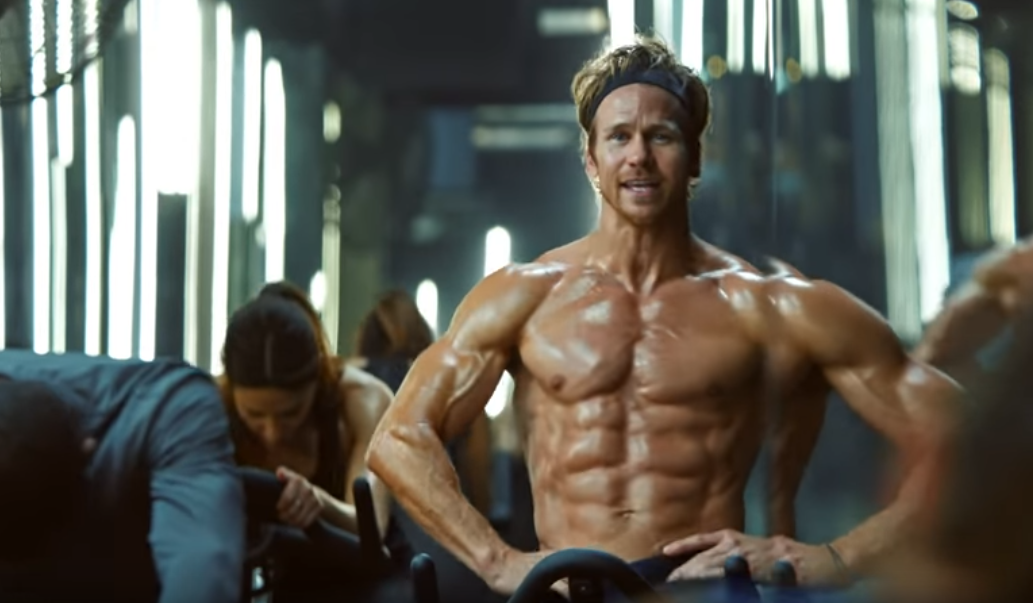
Born in Oklahoma, Rusty Joiner’s journey into the public eye began not on a film set, but on the athletic fields, excelling in sports like pole vaulting. His transition into modeling marked the beginning of a remarkable career defined by an exceptional physique and photogenic charisma. Gracing the covers of numerous fitness and fashion magazines – from Men’s Health to GQ – Joiner quickly became synonymous with the pinnacle of male fitness and aesthetic perfection in the early 2000s. His pervasive presence in print media established him as a visual touchstone, a benchmark of a particular masculine ideal that was both aspirational and undeniably captivating.
His career, however, wasn’t confined to still imagery. Joiner seamlessly transitioned into acting, appearing in a range of television shows and films, including ‘Dodgeball: A True Underdog Story,’ ‘Resident Evil: Extinction,’ and ‘Beautiful People.’ While these roles showcased his versatility, it was often his physical presence and striking good looks that became his most memorable attributes, cementing his status as a recognizable figure in popular culture. For many in the queer community, who often consume media with a discerning eye for male beauty and strength, Joiner became an undeniable point of interest, a pin-up for a new generation.
The Allure of the Physique: Decoding the Queer Gaze
The admiration for the male form is a cornerstone of queer culture, stretching back through history from ancient Greek sculptures to contemporary art and media. Rusty Joiner’s appeal fits squarely within this rich tradition. His physique – a testament to rigorous discipline and genetics – represents a highly curated and idealized version of masculinity. It’s a body that projects strength, health, and a certain disciplined aesthetic that many find profoundly attractive.
For the queer male gaze, this admiration isn’t merely superficial. It often intertwines with themes of aspiration, identity, and even reclamation. In a world that has historically policed and marginalized queer bodies and desires, the open celebration of male beauty becomes an act of defiance and affirmation. Joiner’s image, disseminated through magazines and later social media, offered a visual language for these desires, providing both a standard of beauty and an object of shared appreciation within the community. It’s a form of visual shorthand, communicating a certain ideal of health, power, and attractiveness that resonates deeply.
Beyond the Biceps: Joiner’s Career and Public Persona
While his physical attributes are undeniable, Joiner’s longevity in the public eye suggests an appeal that transcends mere superficiality. His public persona, often characterized by a friendly demeanor and commitment to fitness, adds layers to his image. He has consistently maintained a professional yet approachable public image, engaging with fans and maintaining a presence in the fitness world. This consistency, coupled with a career that has spanned decades, transforms him from a fleeting face into a more enduring presence.
It’s important to consider if Joiner has actively engaged with the LGBTQ+ community or aligned himself as an ally. While he may not be overtly political or a vocal advocate in the same vein as some other public figures, his image has been embraced and celebrated by queer media platforms like Instinct Magazine. This organic embrace, where the community itself identifies and elevates figures they find appealing, is a powerful form of cultural assimilation. It speaks to a broader truth: not every queer icon needs to be explicitly ‘out’ or an activist; sometimes, their simple presence and the way they are perceived and interpreted by the community is enough to confer a unique status. This informal canonization is a hallmark of evolving entertainment trends within our community.
Queer Iconography in the Digital Age: From Pin-Up to Pixel
The digital era has dramatically altered how figures achieve and maintain ‘icon’ status. In the past, this might have been through film, music, or activist movements. Today, platforms like Instagram, TikTok, and digital magazines provide immediate and global dissemination of images and narratives. Rusty Joiner, who rose to prominence in a pre-digital magazine era, has successfully transitioned this appeal into the digital sphere. His continued relevance on social media platforms, where fitness influencers and aspirational figures thrive, showcases his adaptability.
The ‘obsession’ narrative in Instinct Magazine itself is a product of this digital age. It’s an explicit acknowledgement of shared community interest, amplified by algorithms and online engagement. This immediate feedback loop allows queer publications to gauge and celebrate figures that resonate with their readership, solidifying their place in the collective consciousness. The term ‘obsession’ itself, while playful, hints at the intense, often passionate connection that queer audiences forge with figures who embody desired traits or aesthetics.
The Complexities of Male Representation: Beyond the Ideal
While celebrating figures like Rusty Joiner, it’s crucial for a platform like Gay Telegraph to also acknowledge the complexities of male representation within the queer community. The focus on a singular, often hyper-muscular and conventionally attractive aesthetic, while appealing to many, can inadvertently perpetuate narrow beauty standards. It raises questions about body diversity, the pressure to conform to specific ideals, and the mental health implications of constantly striving for an often unattainable physical perfection.
A deeper look at world news and cultural dialogues reveals a growing conversation around inclusivity and representation that extends beyond physical appearance. While Joiner represents one facet of desired masculinity, the queer community is vast and encompasses an infinite spectrum of body types, identities, and expressions. Our appreciation for figures like Joiner must exist alongside an ongoing commitment to promoting and celebrating this rich diversity, ensuring that all feel seen and valued.
From Admiration to Inspiration: What Does He Represent?
So, what does Rusty Joiner ultimately represent for the queer community, particularly in the context of our evolving Queer Iconography? He embodies a certain ideal of health, discipline, and aesthetic achievement. For some, he’s a motivational figure, inspiring personal fitness journeys. For others, he’s a symbol of undeniable physical attractiveness, a ‘type’ that ignites desire and fantasy. And for many, he’s simply a beautiful man whose image brings joy and appreciation.
His enduring appeal underscores that queer iconography isn’t static. It’s a dynamic tapestry woven from various threads: aesthetic appreciation, aspirational qualities, perceived personality, and the subjective interpretations of a diverse community. Icons aren’t always chosen for their advocacy; sometimes, they simply exist as points of shared cultural reference, providing a canvas onto which collective desires and ideals are projected.
The Broader Context: Straight Allies and Undeniable Appeal
It’s also worth noting that many figures who achieve iconic status within the LGBTQ+ community may not identify as queer themselves. This isn’t a new phenomenon. From Judy Garland to Cher, and countless male pin-ups over the decades, the community has a history of adopting and celebrating figures who may or may not share their sexual or gender identity. What matters often isn’t their personal identification, but their resonance, their perceived authenticity, or simply their undeniable charisma and beauty.
Rusty Joiner fits into this tradition. His appeal is arguably universal, but it’s the queer gaze that often elevates and frames him in a particular way, celebrating aspects that might be overlooked or less emphasized in mainstream media. This act of ‘queering’ a figure, through communal admiration and publication features, transforms them into something more profound for the community – a part of our shared visual and cultural language.
Conclusion: A Continuously Unfolding Narrative of Desire and Identity
Rusty Joiner’s continued presence in the public imagination, and his recent feature in Instinct Magazine, offers a fascinating case study in contemporary Queer Iconography. He represents not just a standard of male beauty but also the intricate ways in which the LGBTQ+ community identifies, celebrates, and integrates figures into its cultural narrative. His story reminds us that icons are not just born but are also made through collective admiration, media representation, and the deeply personal, yet shared, experience of seeing oneself reflected, even indirectly, in the beauty and strength of another.
As the Gay Telegraph continues to document the multifaceted experiences of the global queer community, figures like Joiner provide valuable insight into the desires, aspirations, and evolving standards of beauty and identity that shape our collective consciousness. His ‘obsession’ is more than just a passing fancy; it’s a marker in the ongoing journey of self-discovery and celebration within the queer world.