Beyond the Binary: The Revolution of Personal Expression
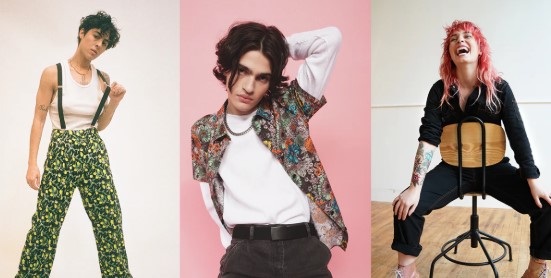
For centuries, the fashion industry has been strictly governed by a binary structure, dictating what men and women should wear based on rigid societal expectations. However, as we move through 2026, a seismic shift is occurring. The rise of gender neutral fashion is no longer a niche trend seen only on high-fashion runways; it has become a global cultural movement. This evolution represents a move toward radical inclusivity, where the focus shifts from “who is this for?” to “how does this make me feel?” In this new era, clothing is liberated from the constraints of gender, allowing for a more authentic and fluid expression of the self.
The queer community has always been at the forefront of this stylistic rebellion. From the dandyism of the 19th century to the underground ballroom scenes of the 20th, fashion has served as a primary tool for queer resistance and identity formation. Today, this influence is permeating the mainstream, forcing legacy brands and new designers alike to rethink their entire approach to design, sizing, and marketing. This comprehensive guide explores the structural shifts within the industry, the role of sustainability in queer aesthetics, and how inclusive lifestyle trends are redefining the modern wardrobe.
The Historical Roots of Queer Fashion and Rebellion
To understand the current state of gender neutral fashion, we must acknowledge its roots in queer history. Fashion has never been “just clothes” for the LGBTQ+ community; it has been a language used to signal identity, build community, and defy oppressive norms. Whether it was the subtle use of color-coded accessories in the early 20th century or the flamboyant gender-bending of the glam rock era, queer people have consistently used fashion to challenge the status quo.
In 2026, we see the culmination of this history. The “rules” that once strictly separated menswear and womenswear are being dismantled. We are seeing a return to the idea of clothing as a sculptural art form that interacts with the human body, regardless of its gender. This historical perspective is vital for understanding that the current move toward inclusivity is not a passing fad, but a long-overdue correction in the global cultural landscape.
The Mainstream Shift: From Runways to Retail
One of the most significant developments in gender neutral fashion is its entry into the mass market. Major luxury houses and fast-fashion retailers alike are launching “unisex” or “gender-fluid” collections. However, the community is increasingly discerning. True inclusivity requires more than just oversized hoodies and grey t-shirts—it requires a fundamental reimagining of fit and silhouette.
Designing for Diverse Bodies
The challenge for modern designers is to create clothing that fits a wide range of body types without relying on traditional gendered patterns. This involves innovative tailoring, adjustable features, and a move away from “standard” sizing models. Brands that are succeeding in 2026 are those that involve queer and non-binary individuals in the design process from day one. Authentic representation behind the scenes leads to products that actually resonate with the community’s needs, rather than just checking a diversity box.
The End of the “Gendered Aisle”
The physical and digital retail experience is also changing. Forward-thinking department stores and e-commerce platforms are beginning to move away from “Men’s” and “Women’s” sections, opting instead to categorize clothing by style, fit, or occasion. This removes the “anxiety of the aisle” for many non-binary and gender-nonconforming shoppers, making the shopping experience more inclusive and less performative. As noted in our recent deep dives into modern queer representation, visibility in fashion is as crucial as visibility on screen.
Sustainability and the Ethics of Queer Fashion
There is a profound and growing link between gender neutral fashion and the sustainable fashion movement. Many queer-owned brands prioritize “slow fashion”—the idea of creating high-quality, durable pieces that are intended to last for years rather than weeks. This is partly a reaction against the environmental impact of fast fashion, but it is also a reflection of the community’s values.
Inclusive fashion often leans toward timeless designs that transcend seasonal trends. By creating pieces that are not tied to a specific gender or a specific “season,” designers are encouraging a more mindful and ethical way of consuming. Furthermore, many queer designers use upcycled materials or vintage fabrics, nodding to the community’s long history of “making do” and DIY creativity. In 2026, being stylish and being sustainable are increasingly seen as two sides of the same coin.
The Digital Influence: Social Media and the DIY Spirit
Social media platforms like TikTok, Instagram, and Pinterest have been instrumental in the spread of gender neutral fashion. Influencers and activists are using these platforms to showcase how they deconstruct and reconstruct gendered clothing to fit their identities. This has led to a massive resurgence in the DIY (Do-It-Yourself) spirit, with “thrifting and flipping” becoming a staple of queer aesthetic culture.
The digital space allows for the rapid exchange of styling tips, tailoring hacks, and brand recommendations. It has created a global community where a teenager in a small town can see how a non-binary artist in a major city styles a vintage suit, providing instant inspiration and validation. This democratic flow of information has bypassed traditional fashion gatekeepers, placing the power of “cool” back into the hands of the individuals living these identities.
Addressing the “Pinkwashing” Trap
As gender neutral fashion becomes more profitable, the risk of “pinkwashing”—where brands exploit queer aesthetics for profit without actually supporting the community—increases. In 2026, consumers are more aware than ever. They are looking past the marketing campaigns to see if a brand actually protects its LGBTQ+ employees, if it donates to queer causes year-round, and if its leadership team reflects the diversity it claims to champion.
Truly inclusive fashion brands are those that treat queer voices as partners rather than just “demographics.” The demand is for structural change, not just aesthetic appropriation. Brands that fail to back up their inclusive marketing with real-world action often face significant backlash from a community that is highly interconnected and ethically driven.
Fashion as a Tool for Mental Health and Empowerment
We cannot ignore the psychological impact of clothing. For many LGBTQ+ individuals, wearing clothing that truly reflects their gender identity is a vital part of their mental health journey. It reduces “gender dysphoria” and increases “gender euphoria”—the profound sense of joy that comes when your external appearance matches your internal self. Gender neutral fashion provides the tools for this alignment.
When a person feels comfortable and powerful in what they are wearing, it radiates into every other aspect of their life—from their confidence in the workplace to their comfort in social situations. Fashion is, in many ways, a form of self-care. It is a daily ritual of affirming one’s existence in a world that often tries to categorize and limit us.
The Future: A Post-Gender Fashion World?
As we look toward the end of the decade, the question is: will we eventually reach a “post-gender” fashion world? While the binary will likely always exist for some, the goal of gender neutral fashion is to make it optional rather than mandatory. We are moving toward a future where “menswear” and “womenswear” are seen as styles rather than biological imperatives.
The industry is beginning to realize that inclusivity is not just “good for business”; it is the future of human expression. At Gay Telegraph, we celebrate the designers, activists, and everyday individuals who are using their wardrobes to rewrite the rules. Fashion is a playground, and in 2026, everyone is invited to play.
Conclusion: Wearing Your Truth with Pride
The rise of gender neutral fashion is a testament to the power of the queer spirit to reshape the world. It is a movement that celebrates the beauty of the “in-between” and the power of the individual. By breaking down the barriers of the binary, we are not just changing what we wear; we are changing how we see ourselves and each other.
We encourage you to experiment, to defy expectations, and to wear what makes you feel most like *you*. Whether it’s a perfectly tailored suit, a fluid silk gown, or something entirely new, your style is your story. At Gay Telegraph, we are proud to be the voice of this revolution, and we can’t wait to see what you wear next. The future of fashion is fluid, and it is beautiful.