The World Cup Pride Match: A Deeper Look into Tickets, Visibility, and Global Rights
The global stage of the FIFA World Cup often serves as a mirror reflecting the complex interplay of sport, culture, and politics. This year, news that tickets for the highly anticipated World Cup Pride Match between Egypt and Iran were still available during the ‘last minute’ sales phase has sparked a profound conversation within the LGBTQ+ community and among allies. On the surface, it might seem like a mere logistical detail. Yet, for those of us deeply invested in queer visibility and human rights, it’s a moment that demands a deeper dive, pushing us to ask crucial questions about what a ‘Pride Match’ truly signifies in a world still grappling with widespread discrimination and prejudice.
What Does a ‘Pride Match’ Truly Mean?
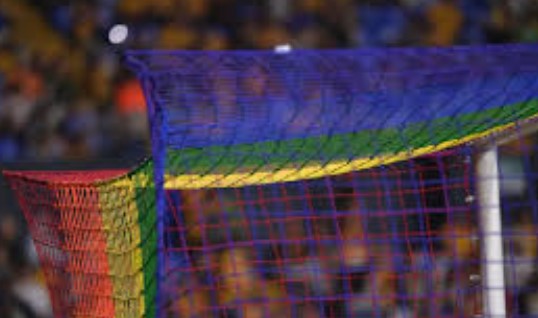
The very concept of a ‘Pride Match’ within a global sporting event like the World Cup is loaded with meaning and, inevitably, contradiction. Is it an official FIFA designation, a grassroots initiative by organizers, or a media-driven narrative? While the specifics of its designation for the Egypt vs. Iran game aren’t fully detailed in the news, the implication is clear: this match carries a symbolic weight, intended to highlight LGBTQ+ inclusion and solidarity. For many, it represents a beacon of hope – a sign that even in the conservative world of international football, queer lives are being acknowledged.
However, the existence of a ‘Pride Match’ is also a stark reminder of how far we still have to go. It emerges not from a place of universal acceptance, but from a need to specifically call out and celebrate LGBTQ+ identities in spaces where they are often marginalized or erased. It’s a statement, an aspiration, and sometimes, a delicate tightrope walk between genuine advocacy and performative allyship.
The Paradox of Availability: Why Are Tickets Still There?
The news of ticket availability for such a symbolically significant game is puzzling. Several factors could be at play, each warranting careful consideration:
- Awareness and Marketing: Was the ‘Pride Match’ designation sufficiently publicized? In the vast ocean of World Cup hype, specific initiatives, especially those targeting niche communities, can sometimes get lost without dedicated, impactful marketing.
- Geographic Context and Accessibility: The location of the match can heavily influence attendance. If it’s in a region less accessible or welcoming to queer fans and allies, or if travel costs are prohibitive, this could impact sales.
- The Participating Nations – Egypt and Iran: This is perhaps the most complex and critical factor. Both Egypt and Iran have widely documented records of severe human rights abuses against LGBTQ+ individuals, where same-sex relations are criminalized, and discrimination is systemic. For a ‘Pride Match’ to feature teams from these nations presents a profound paradox.
- Community Response and Activism: It’s possible that parts of the LGBTQ+ community and their allies might view such a match with skepticism. Is it a genuine step towards progress, or a form of ‘rainbow washing’ – where an organization or event superficially adopts queer-friendly messaging without committing to deeper systemic change or accountability? Some might choose to boycott, feeling that their presence validates a system that still permits egregious human rights violations.
- Broader FIFA Concerns: FIFA itself has faced criticism over its human rights record and its choices of host nations for major tournaments. This broader discontent could also contribute to a hesitant response from socially conscious fans.
Sports as a Battleground for Rights: More Than Just a Game
Sport has an unparalleled ability to unite and inspire, transcending language and cultural barriers. Historically, it has also been a powerful platform for social change, from Jesse Owens at the Olympics challenging racial prejudice to Colin Kaepernick kneeling for racial justice. For the LGBTQ+ community, sports have been both a sanctuary and a struggle.
Moments like the ‘Pride Match’ attempt to leverage this power. They aim to foster an environment where queer athletes and fans feel seen, valued, and safe. We’ve seen significant strides, with more athletes coming out, leagues adopting inclusive policies, and campaigns promoting diversity. However, these gains are often fragile, especially on the international stage where geopolitical realities and differing cultural norms clash.
The tension lies in the gap between symbolic gestures and tangible impact. A ‘Pride Match’ can raise awareness, but does it translate into policy changes in participating nations? Does it protect queer individuals on the ground? This is where the deeper engagement of the community becomes paramount. It’s about more than just showing up; it’s about persistent advocacy and demanding accountability.
The Intersectional Challenges: Egypt, Iran, and Global LGBTQ+ Rights
The choice of Egypt and Iran as the teams in a ‘Pride Match’ intensifies the conversation significantly. In both countries, LGBTQ+ individuals face legal persecution, social ostracization, and violence. Laws criminalizing same-sex sexual activity can lead to imprisonment, torture, or even death. State-sponsored discrimination permeates all aspects of life, making open expression of queer identity virtually impossible.
This context makes the ‘Pride Match’ a complex beast. On one hand, it could be seen as an act of defiance, shining a light on these issues precisely where they are most repressed. It could offer a flicker of visibility and solidarity to queer individuals within those countries, who often operate in extreme secrecy. On the other hand, it risks being perceived as naive or even disrespectful if not accompanied by concrete actions or a clear strategy for impact beyond the 90 minutes of play.
The ethical dilemma for allies and queer communities worldwide is profound: Do we support these initiatives hoping they spark change, or do we criticize them for not going far enough, fearing they legitimize regimes without true reform? It’s a conversation that highlights the intricate dance of international diplomacy, human rights advocacy, and cultural sensitivity.
Community Voices and the Path Forward
In the face of such complexities, the role of community voices, activism, and solidarity cannot be overstated. Organizations tirelessly work to advocate for human rights, provide safe spaces, and push for policy reform. The World Cup Pride Match, regardless of ticket sales, becomes a talking point, an opportunity to amplify these crucial discussions. It compels us to consider how we can best support those most vulnerable, whether they are athletes, fans, or ordinary citizens in oppressive regimes.
From grassroots campaigns to global solidarity concerts, collective action is a powerful force for change. Think of events designed to raise awareness and funds, bringing people together not just through sport but through art and shared purpose. A concert like the Trans Mission Wembley Concert, for example, embodies this spirit, uniting people in solidarity and amplifying voices that need to be heard. You can learn more about such powerful movements and their impact on our community’s fight for recognition and rights by exploring resources like the Trans Mission Wembley Concert 2026: Solidarity article.
Beyond the stadium, the digital realm plays an increasingly vital role in this global dialogue. For many LGBTQ+ individuals living in countries where their identities are criminalized, online platforms are lifelines – spaces for connection, information, and even activism. These platforms allow discussions around events like the World Cup Pride Match to transcend geographical boundaries, enabling individuals to share experiences, organize support, and find community that might be absent in their physical surroundings.
However, the importance of safety and privacy in these online interactions cannot be stressed enough. When discussing sensitive topics, especially those concerning human rights in restrictive regions, digital security is paramount. Engaging in anonymous chat and utilizing platforms that prioritize digital privacy become crucial tools for protecting oneself while still participating in vital conversations and fostering connections. For those navigating the digital landscape and seeking secure avenues for connection and communication, exploring resources like a Secure Gay Chat Guide 2026: Ultimate Manual can provide invaluable insights and tools to ensure online interactions remain safe and private.
Making Future Pride Initiatives More Than Symbolic
The mixed reception and ticket availability for the World Cup Pride Match offer valuable lessons for future initiatives. To move beyond mere symbolism, ‘Pride’ events in global sports need to:
- Partner Authentically: Collaborate deeply with established LGBTQ+ human rights organizations. Their expertise is crucial for genuine impact and avoiding ‘rainbow washing.’
- Set Clear Objectives: What is the desired outcome? Is it awareness, fundraising for specific causes, advocating for policy change, or providing direct support to queer individuals in participating nations?
- Ensure Accountability: Sporting bodies must be held accountable for their broader human rights records, not just for isolated ‘Pride’ events.
- Prioritize Safety: For athletes, fans, and organizers involved, especially those from vulnerable regions, safety measures must be paramount.
- Amplify Local Voices: Give platforms to queer activists and community leaders from the regions directly impacted, ensuring their perspectives drive the narrative.
Conclusion: The Unfolding Conversation
The World Cup Pride Match, with its intriguing ticket availability, is a microcosm of the larger, ongoing struggle for LGBTQ+ rights globally. It’s a moment of both progress and profound challenge, highlighting the complex dance between global aspirations for inclusion and the harsh realities of local oppression. It reminds us that while visibility is a crucial first step, it is never enough on its own. True change demands consistent advocacy, unwavering solidarity, and a critical lens that questions whether gestures are backed by genuine, impactful action.
As the World Cup continues, the conversation around this match will undoubtedly evolve. It serves as a powerful reminder that the fight for equality is far from over, and every event, every ticket sold (or not sold), and every voice raised contributes to an unfolding narrative of hope, resistance, and the relentless pursuit of a world where all can live authentically and without fear.