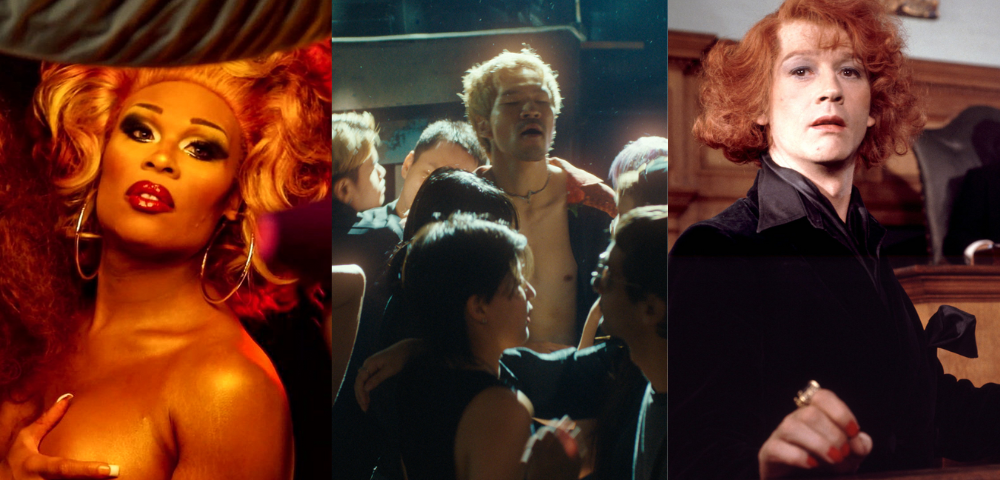
The Rhythmic Revolution: Unpacking the Impact of Queer Dance Film
In the vibrant tapestry of LGBTQ+ storytelling, certain narratives resonate with a particular intensity, speaking to the soul with an urgency that transcends mere entertainment. Luke Cornish’s ‘Dance Life,’ as it transitions from its acclaimed origins to the grandeur of the big screen, represents precisely such a moment. This cinematic evolution isn’t just a triumph for its creators; it marks a significant milestone in the journey of authentic Queer Dance Film, offering a powerful exploration of identity, connection, and resistance through the universal language of movement. For a community that has historically found solace, expression, and revolution on dance floors and stages, a project like ‘Dance Life’ arriving on the silver screen is more than just a film – it’s a declaration.
The themes embedded within ‘Dance Life’ – dance, desire, and defiance – are not merely narrative devices but fundamental pillars of queer experience. Dance, in its rawest form, allows for an uninhibited expression of self, often transcending the limitations of spoken word. Desire, frequently policed and pathologized within queer lives, finds a space of affirmation and beauty. Defiance, the very act of existing and thriving against systemic adversity, becomes a celebrated act of courage. As Gay Telegraph delves into the phenomenon of ‘Dance Life,’ we explore not just the mechanics of its transition to cinema but the profound cultural and social implications it holds for queer audiences globally.
From Small Screen to Silver Screen: The Journey of Dance Life
While the full history of ‘Dance Life’ may be known to its dedicated followers, its migration to the cinematic arena signifies a crucial escalation in reach and impact. The leap from a potentially niche, though celebrated, television format to a feature film amplifies its message, allowing it to penetrate broader cultural consciousness and engage new audiences who might otherwise not encounter its unique narrative. This transition is a testament to the compelling nature of its story and the undeniable talent behind its production, particularly the vision of Luke Cornish.
Luke Cornish, a name increasingly synonymous with authentic and impactful storytelling within the LGBTQ+ sphere, has demonstrated a keen understanding of what makes queer narratives not just relevant, but essential. His decision to bring ‘Dance Life’ to the big screen is a strategic move, positioning a deeply personal and culturally resonant story within a format that historically carries significant gravitas and wider distribution potential. It’s an assertion that queer lives, queer love, and queer struggles are worthy of the grand canvas that cinema provides, and indeed, demand it.
Authenticity in Motion: Crafting Queer Narratives
The success and anticipated impact of ‘Dance Life’ hinge heavily on its commitment to authenticity. In an era where representation is frequently scrutinized for performativity or tokenism, Cornish’s approach to crafting queer narratives stands out. True authenticity in queer storytelling goes beyond simply featuring LGBTQ+ characters; it involves ensuring these characters are multi-dimensional, complex, and reflective of the diverse realities within the community. It means delving into the nuances of queer relationships, the specific joys and heartbreaks, the triumphs and tribulations that define these experiences.
For ‘Dance Life,’ this likely translates into a meticulous attention to detail in choreography, character development, and plot. It means allowing queer bodies to express desire and vulnerability without censorship or caricature. It means portraying defiance not as a singular act of rebellion, but as an inherent quality of resilience in the face of societal pressures. This commitment to truth creates stories that not only entertain but also validate, educate, and inspire. It allows audiences, particularly young queer individuals, to see reflections of themselves that are empowering and real, fostering a sense of belonging and self-acceptance.
Desire and Defiance: The Heartbeat of Queer Expression
The very title ‘Dance, Desire, and Defiance’ encapsulates the potent cocktail of themes that make ‘Dance Life’ so compelling. These are not just abstract concepts but lived realities for queer individuals around the world, often finding their most articulate expression through artistic mediums.
The Language of Movement: Dance as a Vehicle for Desire
Dance, by its very nature, is an art form rooted in expression and connection. For the LGBTQ+ community, it has historically served as a crucial outlet for desire that mainstream society often denied or condemned. From clandestine balls and underground clubs to modern-day stages, dance floors have been sanctuaries where queer desire could manifest freely, openly, and beautifully. ‘Dance Life’ leverages this profound connection, using movement to tell stories of longing, attraction, vulnerability, and intimacy.
In the absence of explicit language, the sway of a hip, the intertwining of bodies, the intensity of a gaze, or the power of a shared rhythm can communicate volumes. For queer characters, this non-verbal communication is particularly powerful, allowing for the exploration of affection and passion in ways that transcend heteronormative frameworks. It’s an embrace of sensuality and emotional depth that validates queer relationships and experiences, presenting desire as a natural, beautiful, and integral part of the human condition, irrespective of gender or sexual orientation.
Challenging Norms: Dance as Defiance
Beyond desire, dance also acts as a potent tool for defiance. Throughout history, marginalized communities have used art, and particularly dance, to resist oppression, assert identity, and build solidarity. For the queer community, this ranges from the revolutionary voguing of the ballroom scene, which created spaces of affirmation and fabulousness for Black and Latinx queer youth, to the political protests performed through movement. Every step, every spin, every shared beat becomes an act of pushing back against a world that often seeks to silence or diminish.
‘Dance Life’ embodies this spirit of defiance simply by existing as a prominent Queer Dance Film. It defiantly asserts the right of queer stories to be told, queer bodies to be seen, and queer voices to be heard on the biggest platforms. It challenges normative narratives by centering queer experiences, thereby dismantling stereotypes and forging new paths for understanding and acceptance. This defiance is not aggressive, but rather a powerful, joyful assertion of self, inviting audiences to witness the strength and beauty found in authenticity.
The Broader Landscape: Queer Cinema and the Power of Representation
The arrival of ‘Dance Life’ on the big screen doesn’t happen in a vacuum; it’s part of a larger, evolving narrative of queer representation in media, building upon a rich legacy while also pushing new boundaries.
A Legacy of Visibility: Paving the Way
Queer cinema has a long and often challenging history, from early, coded representations to the groundbreaking independent films of the 20th century. Pioneers fought for visibility, often against immense societal pressure and censorship. Today, films like ‘Moonlight,’ ‘Call Me By Your Name,’ ‘Portrait of a Lady on Fire,’ and countless others have demonstrated the critical and commercial viability of queer narratives. ‘Dance Life’ steps into this proud lineage, benefiting from the groundwork laid by those who came before while simultaneously contributing to its expansion.
The importance of diverse and authentic LGBTQ+ entertainment cannot be overstated. Each new film that genuinely portrays queer lives adds another thread to the fabric of representation, helping to normalize, humanize, and celebrate the full spectrum of LGBTQ+ identities. ‘Dance Life’ is not just another story; it is a vital part of this ongoing effort, ensuring that the narratives of love, struggle, and triumph continue to evolve and reach broader audiences.
Beyond the Screen: The Ripple Effect on the Community
The impact of films like ‘Dance Life’ extends far beyond the darkened cinema hall. For many queer individuals, seeing their experiences authentically reflected on screen can be a profoundly affirming experience. It can combat feelings of isolation, foster a sense of belonging, and provide role models or narratives that resonate with their own lives. For young queer people, especially, such representation can be life-changing, offering hope and validation in a world that can often feel hostile.
Moreover, these films serve as crucial educational tools for non-queer audiences. They offer windows into experiences that might be unfamiliar, fostering empathy, understanding, and ultimately, greater acceptance. By depicting queer characters with depth, complexity, and humanity, ‘Dance Life’ can subtly, yet powerfully, shift perceptions and contribute to a more inclusive societal dialogue. The ripple effect of such powerful storytelling contributes to a more compassionate and equitable world for all.
Luke Cornish: A Visionary Voice for Queer Stories
At the heart of ‘Dance Life’s’ journey is Luke Cornish, whose creative vision and commitment to queer narratives are paramount. A director’s perspective shapes every frame, every performance, and every emotional beat of a film. Cornish’s approach, characterized by a deep respect for the subject matter and an unwavering dedication to authenticity, is what elevates ‘Dance Life’ beyond mere spectacle.
His previous work, if any, or his demonstrated sensibility within this project, suggests a filmmaker who understands the nuances of the queer experience. This understanding is critical; it ensures that the themes of desire and defiance are handled with sensitivity, power, and genuine insight, rather than superficiality. Cornish’s commitment to providing a platform for queer voices and experiences, particularly through such a visually and emotionally potent medium as dance, positions him as an important figure in contemporary queer cinema. His ability to translate complex emotions and social commentary into compelling movement and narrative is what will likely make ‘Dance Life’ a memorable and impactful work.
The Global Stage: Queer Stories for a Global Audience
The transition of ‘Dance Life’ to the big screen inherently broadens its reach, propelling a distinctly queer narrative onto the global stage. In an increasingly interconnected world, cultural products like films possess immense power to transcend geographical and cultural barriers, fostering understanding and solidarity across diverse populations. The universal themes of love, self-discovery, and the fight for acceptance embedded within ‘Dance Life’ will resonate with audiences irrespective of their background, proving that queer stories are indeed universal stories.
This global dissemination is particularly significant given the varied and often challenging landscapes of LGBTQ+ rights around the world. While some regions celebrate increasing acceptance, others face escalating hostility and persecution. In this context, a film like ‘Dance Life’ serves as a beacon, reminding individuals in repressive environments that they are not alone and that their stories matter. It contributes to the ongoing global conversation about human rights and equality, challenging prejudices and advocating for a more just world. Platforms like Gay Telegraph play a crucial role in amplifying these narratives and highlighting their impact on world news and global queer communities.
Conclusion: Stepping Forward with Confidence
‘Dance Life,’ as it takes its triumphant bow on the big screen, is far more than just a dance film; it is a powerful cultural statement. It encapsulates the beauty, resilience, and unwavering spirit of the LGBTQ+ community, articulated through the profound and expressive medium of dance. Luke Cornish has not just created a movie; he has crafted a mirror for queer experiences and a window for others to understand them.
This Queer Dance Film reminds us that dance, desire, and defiance are not abstract concepts but living, breathing forces that shape queer identities and movements. It is an affirmation of the power of art to inspire, to heal, and to challenge. As audiences embrace ‘Dance Life’ in its new, expansive format, they are not just witnessing a story; they are participating in a movement—a rhythmic revolution that continues to push the boundaries of representation, one powerful step at a time. The future of queer storytelling on screen looks brighter, more vibrant, and more defiant than ever before, and ‘Dance Life’ is leading the charge with grace and conviction.